


Acerca de


Sod Installation Issues
We frequently receive inquiries from homeowners and landscapers seeking assistance with challenges encountered after sod installation. Often, they request our support in attributing issues to the sod farm from which the sod was purchased. However, this can be challenging, as most sod farms maintain extensive fields of high-quality sod, harvesting only a small portion for delivery to customers. In many cases, issues arise due to errors made by the customer or their pets, which can lead to significant complications. This page will address some of these common issues in detail.
Biggest Installation Issue
Initial Watering During High Temparatures
Common Issues with Sod Installation in High Temperatures
One of the most prevalent issues we observe occurs between late June, July and mid-August, when temperatures consistently exceed 85°F. Proper watering during sod installation is critical during this period. However, many sprinkler systems are not designed to target small installation areas, and these areas often do not align with existing sprinkler zones. As a result, watering is frequently deprioritized in favor of completing the sod installation, which can delay irrigation for several hours.

This sod was delivered 1 hour after harvest at 6 pm. Installed all day the next day. The first watering started at 6 pm after the sod was fully installed.
Why This Presents a Problem
Sod installation typically occurs on dry or extremely dry soil. Freshly harvested sod, already separated from its root system, begins to dry out immiedieatly, relies on immediate access to water to stay hydrated. When installed on dry soil, the moisture dynamic reverses: the dry soil absorbs water from the sod, causing the grass blades and roots to dehydrate significantly.
Once installation is complete, sprinkler operators typically activate sprinklers for 10 to 30 minutes. This duration is often insufficient to saturate both the newly laid sod and the underlying dry soil. Consequently, the soil continues to draw moisture from the sod, exacerbating dehydration. Even if sprinklers are run multiple times, achieving full saturation may take hours or days. By this point, the grass may appear yellow and brittle due to prolonged dehydration. The grass normally will recover over time (typically within two weeks), from the damage caused by dehydration.
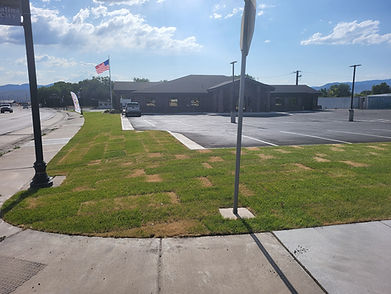
This is sod that was not watered imiediately after installation. Sod on the left sat 8 hours during installation without water, sod on the right also has been overwatered and has invasive grasses.

Overwatering
In response, sprinkler operators may significantly increase watering to revive the sod. While the grass is more difficult to recover and regain its green color, excessive watering at this stage can lead to over-saturation. This creates two significant issues:
-
Oxygen Deprivation: Overwatering deprives grass roots of oxygen, leading to root die-off and hindering establishment.
-
Weed Proliferation: Excessive moisture, combined with disturbed soil and high temperatures, creates ideal conditions for aggressive annual weeds such as crabgrass, watergrass, or barnyard grass. These weeds, prevalent in soils across the United States, germinate rapidly under these conditions. Although they die off after the first frost, their aggressive growth and unattractive appearance can significantly detract from the lawn’s aesthetic.

Overwatering after new sod was dehydrated makes the grass grow in spots and die in others.
Long-Term Impacts and Solutions
While the grass may recover over time (typically within two weeks to a month), the damage caused by dehydration and overwatering can delay establishment.
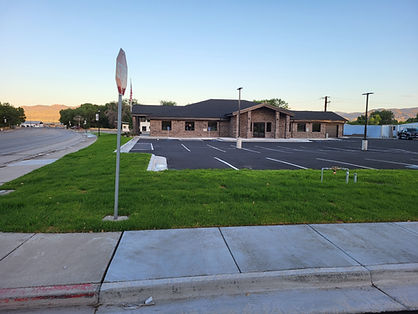
The grass will survive if overwatering is not a problem, but invasive weeds may still occur.
Invasive Annual Weeds
Crabgrass, Watergrasss, Barnyardgrass and similar weeds, though annual in nature, can be invasive during their growth period. The following year, pre-emergent herbicides such as Quinclorac can effectively control these weeds, preventing reinfestation.
To mitigate these issues, we recommend:
-
Pre watering the soil befor installation. This may be difficult to maintain the soil grade if it is too wet during installation. The trick is to reach the perfect soil moisture content while still dry enough to install without making a mess.
-
Watering sod immediately during and after installation, especially in high temperatures. The first watering is vital to ensure saturation of both sod and soil, then maintaining proper moisture levels for the next 2 to 3 weeks.
-
Ensuring sprinkler systems are adjusted to adequately cover installation areas.
-
Monitoring soil moisture levels to achieve proper saturation without overwatering.
By addressing these factors, homeowners and landscapers can promote healthy sod establishment and minimize weed proliferation.


