


Why Plastic Grass and Plastic Carpet Are Losing Ground: High-Profile Switches Back to Real Natural Turf Grass Sod
Why Plastic Grass and Plastic Carpet Are Losing Ground: High-Profile Switches Back to Real Natural Turf Grass Sod
In the ongoing debate over lawns and playing fields, plastic grass—also known as plastic carpet, Astro carpet, or artificial carpet—has tried hard to claim the “turf” label for itself. But real natural turfgrass is fighting back, and communities, schools, professional venues, and everyday homeowners are increasingly choosing to remove these synthetic surfaces and return to living, breathing grass. Here at AskTheLawnDoctor.com, we’re committed to sharing the facts so homeowners and decision-makers can make informed choices that benefit their yards, local environments, and the water cycle. Why Plastic Grass and Plastic Carpet Are Losing Ground: High-Profile Switches Back to Real Natural Turf Grass Sod

University of Arkansas Razorbacks: A Major College Football Reversal
One of the most prominent examples came in 2019 when the University of Arkansas Razorbacks removed their plastic carpet from Donald W. Reynolds Razorback Stadium and installed high-quality natural turfgrass (Tahoma 31 Bermuda grass). After years on synthetic surfaces, the program opted for real grass because players preferred the more natural feel, better traction, and reduced injury risk. This switch demonstrated that even elite, high-traffic stadiums can succeed with proper natural turfgrass management.
NFL Stadiums Preparing for the 2026 FIFA World Cup: Telling Temporary Removals
The world’s premier soccer tournament refuses to accept plastic grass for its matches. Multiple NFL venues hosting 2026 World Cup games are currently ripping out their artificial surfaces and installing natural grass overlays:
Gillette Stadium (New England Patriots): The existing plastic carpet was removed and replaced with a blend of Kentucky bluegrass and perennial ryegrass to meet FIFA standards. The rapid transformation included grow lights and intensive care, proving real turfgrass can handle the demands.
MetLife Stadium and others (Atlanta, Dallas, Houston, Seattle, and more): Similar full removals of synthetic Astro carpet in favor of living sod. NFL players and the Players Association have long advocated for permanent grass surfaces, citing superior safety and performance.
These high-profile changes show that when performance matters most, plastic grass gets replaced.
Verona Township, New Jersey: A Data-Driven Municipal Switch
Verona Township conducted a detailed environmental impact study on its 13-year-old plastic carpet field at Centennial Field. After reviewing heat, chemical exposure (including PFAS), injury rates, playable hours, and 25-year costs, the analysis strongly recommended converting back to natural turfgrass. Key issues with the artificial carpet included significantly higher surface temperatures (up to 43°F hotter) and long-term sustainability concerns. This serves as a practical blueprint for towns evaluating their options.
Local Homeowner Stories: Real Experiences Switching Back
The shift isn’t limited to big venues—homeowners in California, Utah, and across the West are also ditching plastic grass for natural solutions:
San Fernando Valley, California homeowner: After installing plastic carpet years ago, one family grew concerned about heat buildup and potential chemical leaching. They removed the synthetic lawn, prepped the soil, and installed real grass. “It feels cooler and looks so much more alive,” they reported. The project highlighted natural grass’s benefits for air purification, erosion control, and a healthier backyard for kids and pets.
Utah family in a water-conscious community: A homeowner who had replaced their lawn with Astro carpet to save water later noticed extreme surface heat that made the yard unusable on summer days and worried about long-term microplastic issues. They switched back to drought-resistant natural turfgrass sod with smart irrigation and soil amendments. “Our kids play outside longer, and the yard actually helps cool the house,” they shared. The natural lawn now contributes to local water cycling instead of creating a heat island.
Southern California retiree: A retired nurse removed her neighbors’ visible plastic grass concerns from her own yard after researching PFAS and disposal challenges. She opted for organic natural grass management and reported improved soil health and a more inviting outdoor space that supports pollinators and feels authentic.
These stories echo a growing realization: Plastic carpet often creates more problems than it solves for residential yards.
Additional Notable Shifts and Growing Momentum
Kansas City Royals’ Kauffman Stadium: Moved away from early plastic grass installations back to natural turfgrass.
International Examples: Clubs like Harrogate Town and Sutton United in England replaced synthetic pitches with real grass upon promotion, prioritizing authentic playability.
Policy Actions: Boston has effectively banned new plastic carpet in parks. Various California communities (Millbrae, Santa Clara County, and others) have implemented moratoriums or restrictions due to toxicity, heat, and pollution concerns. Many schools and municipalities are now investing in improved natural turfgrass programs instead of defaulting to fake surfaces.
Why Communities and Homeowners Are Rejecting Plastic Grass and Astro Carpet
Plastic carpet is marketed as low-maintenance and water-saving, but the reality includes:
Extreme Heat: Surfaces can exceed 150°F, worsening urban heat islands.
Health and Safety: Microplastics, crumb rubber, PFAS “forever chemicals,” and higher injury risks in some studies.
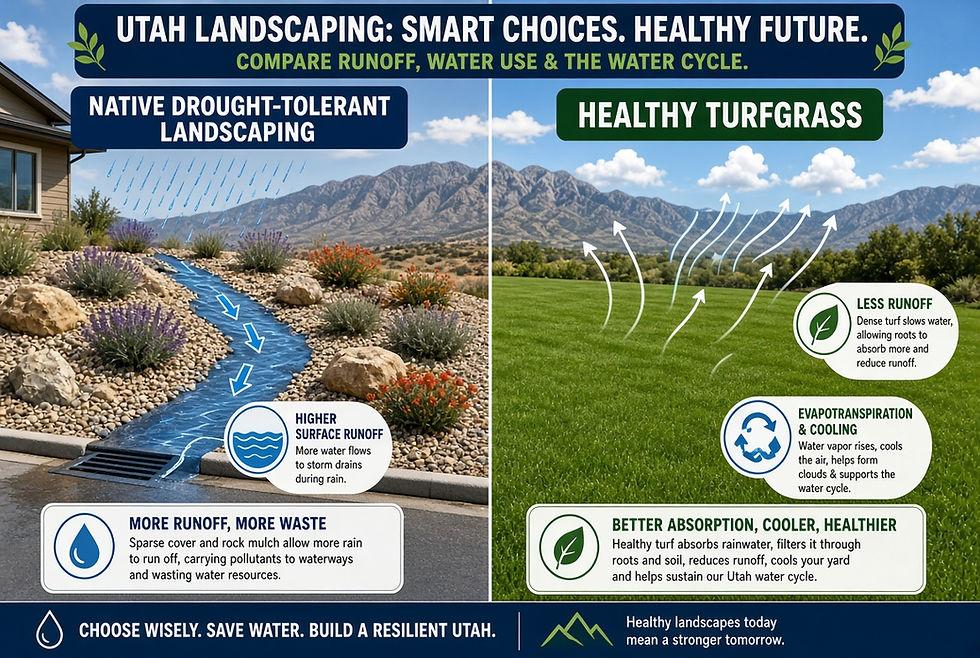
Environmental Harm: No evapotranspiration or water cycling (unlike natural grass, which acts as Utah’s Rainmaker), plus massive end-of-life disposal challenges.
Long-Term Costs: Frequent replacements often make it more expensive over time than well-managed living sod.
In contrast, natural turfgrass cools the air, supports biodiversity, manages stormwater, sequesters carbon, and provides a safe, beautiful surface when supported with smart practices, drought-resistant varieties, and soil amendments.
The Clear Choice: Real Natural Turfgrass
The momentum is clear—from college and professional stadiums to thoughtful townships and local homeowners, leaders and families are choosing to remove plastic grass and Astro carpet in favor of authentic natural turfgrass. For homeowners, this means cooler, healthier yards that contribute positively to the environment rather than creating long-term problems.
At AskTheLawnDoctor.com, we believe in solutions that work with nature. Prioritizing living grass isn’t just tradition—it’s the smarter choice for sustainability, performance, and family enjoyment. Ready to strengthen your lawn with real turfgrass? Explore our guides on natural lawn care, or reach out with your specific questions.
What experiences have you had with plastic grass vs. natural turf? Share in the comments below—we’re here to help answer your lawn questions.
Recent Related Reads:


Comments